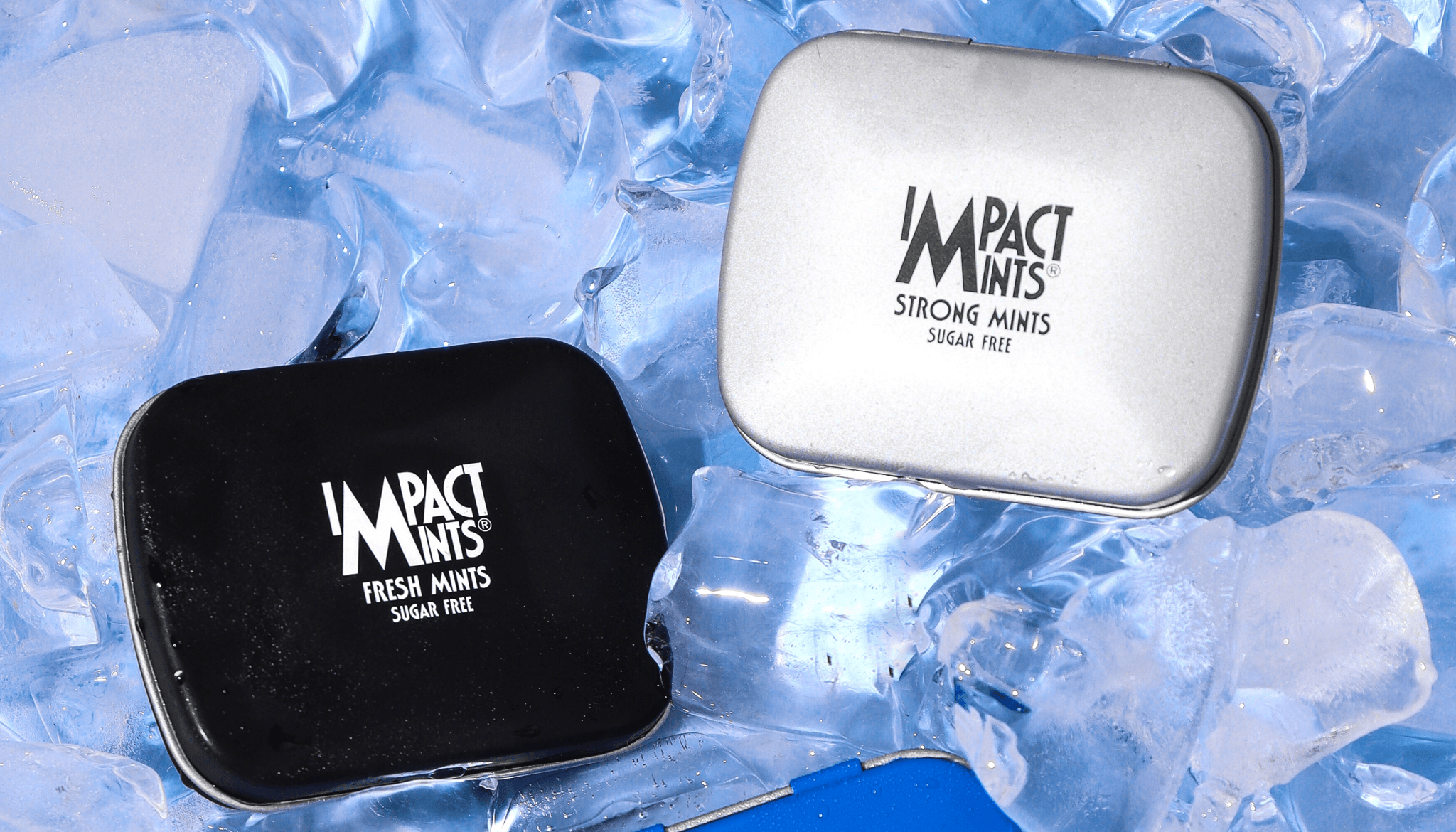


In mid-2021, during the peak of summer, I got the opportunity to work on something exciting — building the first-ever D2C e-commerce website for Impact Mints.
At that point, the goal wasn’t to create something overly complex or feature-heavy. The objective was clear and focused: launch fast, validate the market, and enable paid marketing (Meta & Google Ads) as quickly as possible.
Phase 1: Launching the MVP (WooCommerce)
We started with WooCommerce, primarily because of its flexibility and speed of deployment.
The first version of the website was intentionally minimal:
- Clean and simple UI
- Straightforward navigation
- Basic product display
- Smooth checkout flow
Phase 2: Scaling with Shopify
As the brand started gaining traction, it became clear that we needed a more scalable and conversion-optimized ecosystem.
That’s when we migrated the entire store to Shopify.
This phase was all about growth and optimization. We gradually introduced:
- Magic checkout experiences for faster conversions
- Loyalty and rewards systems
- Marketing automations
- DIY bundles and custom purchase flows
- High-converting landing pages for paid campaigns
The transition wasn’t just technical — it was strategic.
We moved from a basic store to a performance-driven D2C engine.
3. Expanding Product Experience
When we started, Impact Mints had a limited product line.
Today:
- The brand offers 15+ mint flavours
- Expanded into chewing gums
- Built a diverse product ecosystem
To support this, I continuously evolved the product display pages (PDPs):
- Designed layouts based on category and flavor identity
- Aligned visuals with packaging aesthetics
- Focused on clarity, appeal, and conversion
Every PDP was crafted to reflect the brand personality while guiding the user toward purchase.
4. Conversion Optimization: First Visit to Checkout
We consistently worked on:
- Reducing friction in navigation
- Improving page load performance
- Enhancing checkout flow
- Optimizing mobile experience (critical for D2C in India)
The goal has always been simple:
turn first-time visitors into paying customers as efficiently as possible.
5. Integrations & Marketing Stack
As the brand scaled, we implemented a robust tracking and automation ecosystem:
- Facebook Pixel (Meta Ads tracking)
- Google Tags & Analytics
- Contlo (marketing automation & retention)
- Additional performance and CRM integrations
This allowed the brand to: - Track user behavior
- Optimize ad campaigns
- Build retention strategies
My Takeaway
This project reinforced a key principle I follow in every build:
Launch fast. Learn fast. Improve continuously.
Impact Mints wasn’t just a website build —
it was a long-term collaboration focused on scaling a brand through digital experience.
Leave a Reply